
Get the Best eSIM Data Plan for Your Next Trip
Over 90% of new smartphones shipped today support eSIM, yet most data plans remain tied to a physical card you can lose. An eSIM data plan is a fully digital profile embedded in your device, activated by scanning a QR code or installing an app. This means you can switch carriers or add a second line in minutes without waiting for a delivery. It’s an ideal solution for frequent travelers or anyone tired of juggling tiny plastic SIMs.
Beyond Plastic: Understanding Embedded SIM Technology
Beyond Plastic: Understanding Embedded SIM Technology completely changes how you handle an esim data plan. Instead of waiting for a physical card, an embedded SIM is soldered directly into your device, letting you buy and activate a data plan instantly from a menu. You can switch carriers without touching a plastic tray. This means you keep your phone’s slot free for a local physical SIM while using an esim data plan for travel or a second line. No fumbling with tiny cards, no risk of losing one—just scan a QR code and you are online.
How eSIM Differs From Physical SIM Cards
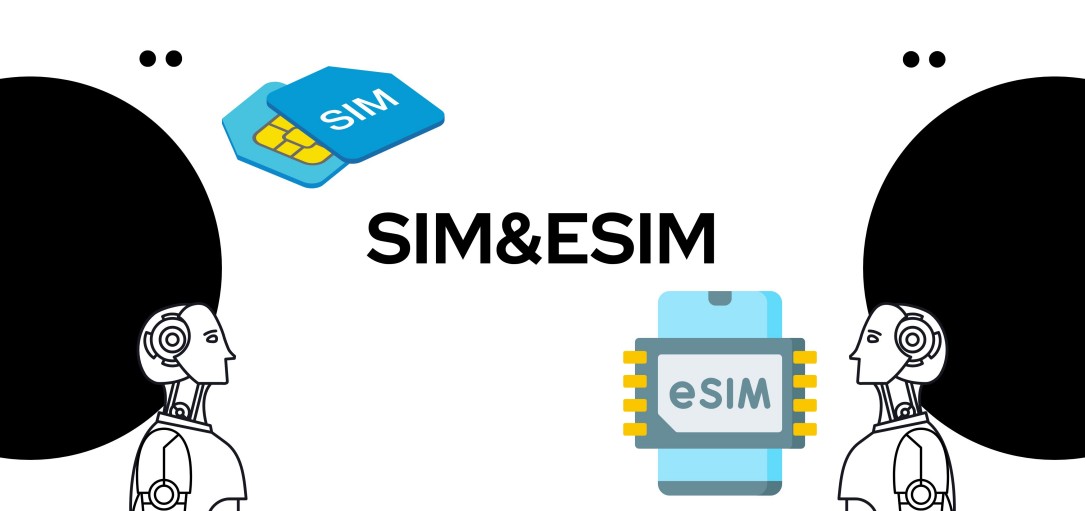
Unlike a physical SIM, which you must insert and swap to change carriers, an eSIM is a tiny chip soldered inside your phone. You activate it by scanning a QR code or downloading a profile, making switching between data plans instant. Because it’s embedded, you never need to track a tiny card or wait for one to ship. This makes juggling multiple plans for travel or work seamless. The key difference is no physical swapping is required for a new eSIM data plan.
Q: Can I use an eSIM and a physical SIM at the same time?
A: Yes, most phones let you run one of each simultaneously, giving you dual lines without carrying two phones.
The Shift Toward Digital Profiles in Mobile Connectivity
The shift toward digital profiles means your phone swaps a plastic SIM card for a software-based identity. With an eSIM data plan, you activate service by scanning a QR code or tapping an app, not by waiting for physical mail. Your mobile connectivity becomes fully software-defined, letting you store multiple carrier profiles on one device and switch between them in seconds. This eliminates the hassle of swapping tiny cards when you travel or change carriers.
- Store up to eight different data plans on one phone at once.
- Choose which profile is active for calls, texts, or data without rebooting.
- Download a new profile instantly when you land, skipping the local SIM hunt.
Key Perks of Going Digital with Your Mobile Service
Going digital with your mobile service via an eSIM data plan unlocks unparalleled convenience and control. You activate a plan instantly by scanning a QR code, eliminating the wait for a physical SIM card and the risk of losing it. Managing your data becomes effortless; you can switch between different eSIM profiles for work and travel without juggling multiple SIM cards. This digital format also lets you store several global data plans on one device, allowing seamless, real-time switching to the best local carrier for speed or price.
An eSIM data plan fundamentally frees you from physical logistics, transforming your connectivity into a flexible, instantly manageable utility.
Effortless Switching Between Network Providers
Effortless switching between network providers becomes a seamless, digital process with an eSIM data plan. Instead of physically swapping a SIM card, you can instantly activate a new provider’s data package by scanning a QR code or using a carrier app. This eliminates the need to locate a store or wait for a physical delivery. For travelers, it means quickly hopping onto a local network upon arrival. For urban users, it allows for real-time tariff comparison and a near-instantaneous change to a cheaper or faster provider. The entire switch, including profile management, happens directly from your device’s settings.
- Scan a QR code or click an app link to activate a new plan in under two minutes.
- Keep your primary number active while switching only the data provider.
- No need to remove your current physical SIM; switch between eSIM profiles with a tap.
- Pre-load multiple provider profiles and toggle between them without any hardware change.
No More Fumbling for a SIM Tray When Traveling
Switching to an eSIM data plan eliminates the need to eject your physical SIM tray, a frequent frustration during travel. No more fumbling for a SIM tray means you can activate a local data plan instantly upon landing, without searching for a paperclip or worrying about losing your tiny SIM card. This is especially helpful in airports or dimly lit hotel rooms. Immediate connectivity is secured without the physical risk of dropping or misplacing your original SIM. Q: Does this work if my phone is locked to a carrier? A: Yes, a locked phone can still activate an eSIM data plan for data use, bypassing the need to swap physical trays entirely while staying on your home network for calls.
Selecting the Right Digital Plan for Travel
Selecting the right digital plan for travel begins with assessing your eSIM data plan needs against destination-specific connectivity. Prioritize coverage maps to confirm your provider offers reliable networks in every country you visit. Evaluate data allowances against your usage—streaming or map navigation consumes far more than messaging. Always verify if your plan includes a local number or is data-only, as this affects app verification and ride-hailing. Check plan duration to avoid expiry mid-trip and scrutinize throttling policies for high-speed caps. Compare multi-country regional plans against individual country eSIMs to optimize cost and avoid switching profiles. Finally, confirm device compatibility before purchase.
Regional vs. Global Data Passes: Which Fits Your Itinerary?
For short, focused trips, a regional data pass often delivers superior value. If your itinerary is confined to a single continent, like Europe or Asia, a regional eSIM provides localized network access at a fraction of the cost of global coverage. Conversely, a global data pass is essential for multi-continent journeys where you hop between countries with no compatible regional zone. Avoid paying for worldwide reach you do not need; choose regional passes for efficiency and global passes for seamless, borderless connectivity.

- Match a regional pass to a single-continent itinerary for cost savings and better local network speed.
- Select a global pass when your route spans multiple continents, like Europe to Asia or Africa.
- Check that your destination countries all fall within the chosen regional pass’s specific coverage map.
- Use a global plan only if you lack a unified regional bloc for your entire trip.
Duration and Data Caps: Matching Needs to Allowances
When matching travel eSIM data caps to your trip length, choose a plan where the allowance directly aligns with your daily habits—not just the calendar. A 7-day, 5GB plan works for city-hopping with map usage and messaging, but a 15-day, 10GB cap suits remote work or video calls abroad. Avoid wasting money on unlimited data for a three-day stopover; a tight 1GB plan paired with offline maps often suffices. Conversely, a month-long road trip demands a 20GB+ cap to stream navigation or entertainment without throttling. Always check if your itinerary’s duration matches the plan’s expiry, or opt for renewable data packs to stretch allowances precisely.
Match your eSIM’s duration and data cap to specific trip activities—short trips need lean allowances, long stays need generous, renewable data.
How to Activate and Manage Your Virtual Profile
To activate your eSIM data plan, first install the carrier’s profile via a QR code or app download. Once scanned, assign this virtual profile as your primary data line. Manage it by toggling between profiles in your device’s cellular settings to avoid billing conflicts. Always label profiles (e.g., “Travel” or “Home”) for quick identification. Delete an old profile only after confirming your new eSIM data plan is active to prevent service gaps. To switch plans, disable the current virtual profile and download a new one; your device stores multiple profiles but uses one at a time. Regularly check your eSIM’s data balance through the carrier app, not just the phone’s general usage tracker.
Step-by-Step Installation via QR Code or App
Activating an eSIM data plan begins with step-by-step installation via QR code or app. First, purchase a plan from your provider and receive a unique QR code via email. Open your device’s Settings, navigate to Cellular or Mobile Data, and select “Add eSIM.” Scan the QR code with your camera; the profile will download automatically. Alternatively, use the provider’s app to tap “Install eSIM” after logging in, which triggers the same download without scanning. Follow on-screen prompts to label the line (e.g., “Data”) and set it as default for cellular data. Installation completes in under two minutes.
- Ensure Wi-Fi is active during download to avoid errors
- Do not delete the QR code email until installation finishes
- Restart your device if the profile doesn’t activate immediately
- Check your provider’s app for manual activation options
Monitoring Usage and Topping Up Without a Physical Card
Monitoring your eSIM data usage without a physical card is done through your device’s settings or a dedicated provider app, which displays real-time consumption. Topping up requires no physical plastic; instead, you purchase an additional data package directly within the app or provider portal, with the new balance instantly applied. Direct digital top-ups ensure you never run out of connectivity. To prevent unexpected depletion, follow this sequence:
- Open your device’s cellular settings to view current data usage.
- Navigate to your eSIM provider’s app or website.
- Select a top-up bundle that suits your need and complete payment.
- Confirm the new balance is active, often without any restart required.
Proactive monitoring is key, as automatic alerts can be configured to warn you before your data runs out.
Cost Comparisons: eSIM Packages vs. Traditional Roaming
When comparing costs, eSIM data plans typically offer substantial savings over traditional roaming. Traditional roaming often incurs daily fees (e.g., $10–$15 per day) or high per-MB charges, which can rapidly exceed $100 for a week of moderate use. In contrast, an eSIM data plan provides a fixed, upfront price for a set data allowance (e.g., 5GB for $20), eliminating surprise bills. This flat-rate structure is especially cost-effective for data-heavy users across multiple days or destinations. The user pays only for the data they need, avoiding the premium pricing and hidden surcharges of carrier roaming packages.
Transparent Pricing Without Surprise Roaming Fees
Transparent pricing in eSIM data plans eliminates the ambiguity inherent in traditional roaming, where rates vary by destination and carrier agreements. With eSIMs, users purchase a fixed data package—often per gigabyte or day—at a clear upfront cost, removing the risk of post-trip bill shock from unexpected per-megabyte fees. This structure ensures no surprise roaming fees because the provider discloses all charges before activation, and usage is capped at the purchased allowance. For example, a traveler knows exactly that 5GB costs $15, with no additional levies for connecting to a local network.
Q: How does an eSIM guarantee no surprise roaming fees?
A: You buy a specific data allowance at a stated price, and the eSIM stops data once that limit is reached, preventing unexpected overage charges that traditional carriers often incur abroad.
Bundled Deals for Frequent Flyers and Digital Nomads
For frequent flyers and digital nomads, bundled eSIM deals offer serious wallet relief compared to traditional roaming’s per-day fees. You buy a single data package covering multiple countries or a set region, avoiding separate SIM swaps for each stop. These bundles often include generous high-speed data caps, perfect for video calls or streaming, and eliminate surprise bills from standard carrier charges. Unlike roaming, there’s no daily activation fee or throttling after a few megabytes. Regional multi-country eSIM bundles let you land in a new city and immediately stay connected without reconfiguring your phone.
Bundled eSIM deals simplify travel for frequent flyers and digital nomads by offering predictable, multi-destination data at a flat rate—no roaming surprises, just seamless connectivity.
Compatibility Checklist for Modern Devices
Before purchasing an esim data plan, run a compatibility checklist for modern devices. First, verify your device is carrier-unlocked, as a locked phone may reject third-party esim profiles. Next, confirm the device supports esim via its IMEI or settings menu; most models from 2020 onward do, but older or budget variants may not. Then, check that the phone’s firmware allows installing additional esims—some dual-sim models only permit one active esim at a time. Finally, ensure the plan matches your device’s network bands and frequency support, particularly for 5G or LTE speeds. A simple checklist prevents activation errors and wasted data allowances.
Smartphones, Tablets, and Laptops That Support the Standard
For an eSIM data plan, compatibility hinges on device-specific hardware. Most modern flagship smartphones, such as recent iPhone and Google Pixel models, natively support eSIM. Many high-end Android tablets from Samsung and Apple’s iPad Pro (2018 and later) include an eSIM slot, though some models may still require a physical SIM for initial setup. Laptop support is rarer, but select Windows 11 devices like the Surface Pro X and certain Lenovo ThinkPads integrate eSIM. Always verify the device’s GSMA-certified eSIM profile before purchasing a plan; carrier lock can also block support.
| Device Type | Common eSIM-Enabled Examples | Key Limitation |
|---|---|---|
| Smartphones | iPhone 14–16, Google Pixel 7–9 | Carrier lock may disable eSIM |
| Tablets | iPad Pro/Air (cellular), Samsung Galaxy Tab S9 | Not all regions support multi-profile |
| Laptops | Surface Pro X, Lenovo ThinkPad X13s | eSIM is often secondary to physical SIM |
Carrier Locking and Unlocking Implications
A carrier-locked device restricts eSIM data plan activation to that specific provider. Unlocking is essential for switching to a more affordable or better-suited eSIM plan, especially while UK eSIM traveling. Before purchasing, confirm your device is either factory-unlocked or that your carrier will grant an unlock code. eSIM data plan compatibility hinges on this status. A locked phone can turn a flexible eSIM into a useless profile. Q: Does carrier locking affect all eSIMs? A: Yes. If your phone is locked to Carrier A, you cannot activate an eSIM from Carrier B, even if the hardware supports it. Unlock first to gain full freedom.
Staying Safe While Using Virtual Network Profiles
When using an eSIM data plan, your virtual network profile is your digital identity, so keeping it secure is key. Stick to purchasing eSIMs directly from reputable providers or official app stores to avoid fake profiles that could snoop on your traffic. Once activated, always disable your eSIM’s data roaming when not in use, as this prevents your profile from connecting to insecure local towers. For extra protection, avoid saving your eSIM credentials in cloud notes or screenshots, as a leaked profile can lead to unauthorized cloning of your plan.
A crucial habit: treat your eSIM’s QR code or activation code like a password—if a stranger snaps it, they get free access to your virtual network.
Lastly, routinely remove old or unused eSIM profiles from your device to eliminate lingering entry points for potential attacks.
Encryption and Data Privacy Considerations

When using a virtual network profile, end-to-end encryption must be verified at both the eSIM activation phase and during data transit to prevent interception. The eSIM’s embedded identity profile should be encrypted locally, yet the real risk lies in tunneled traffic—if the VPN lacks its own robust cryptographic protocols, the data link remains exposed. Even with strong encryption, re-routing through third-party VPNs can introduce metadata leakage that undermines the protection of your eSIM’s data session. Q: Does eSIM encryption protect my online activities? A: No—eSIM encryption safeguards the profile and authentication, not your traffic; you must pair it with a VPN that enforces AES-256 and perfect forward secrecy for actual data privacy.
Avoiding Scams and Unofficial Activation Links
When activating an eSIM data plan, always procure your QR code or activation profile exclusively from the official provider or your device’s carrier. Unofficial activation links are the primary vector for scams, often leading to fraudulent charges or permanent device lock. To verify legitimacy:
- Cross-reference the sender’s domain with the carrier’s official website.
- Inspect the URL for subtle misspellings or non-standard extensions.
- Manually initiate activation through your device’s settings—never through an unsolicited email or text link.
A single tap on a counterfeit link can irrevocably compromise your data plan and personal credentials.
Common Pitfalls and How to Sidestep Them
You’re exploring a new city, phone in hand, when your connection drops. The eSIM data plan you bought is worthless. That’s the compatibility pitfall. Sidestep it by checking your phone’s IMEI against the provider’s list before you buy. Next, you might activate the plan too early, burning days while still on Wi-Fi. The fix: install the eSIM but keep your primary SIM active; only toggle the eSIM on the moment you need data. Finally, travelers often forget to disable automatic network selection, which racks up roaming debts. Set your phone to “manual” and choose the provider’s home network only. Small steps save you from a silent, costly trap.
Double Check Your Device’s eSIM Readiness
A critical pitfall when activating an eSIM data plan is assuming device compatibility based on model alone. Verifying device lock status is essential, as carrier-locked phones often reject non-native eSIM profiles. Check your Settings under “Cellular” or “Mobile Data” for an “Add eSIM” option; its absence indicates incompatibility. Confirm the IMEI supports eSIM via your manufacturer’s official list, not third-party sources. If your device is carrier-locked, contact your provider to unlock it before purchasing the plan. Q: Can I use an eSIM data plan if my phone shows “SIM Not Supported”? No—this error typically means the device is locked to a different carrier or lacks eSIM hardware entirely.

Handling Number Portability Across Digital Profiles
When switching eSIM data plans, seamless number portability across digital profiles often fails if you don’t first verify that your home provider releases the number to the new eSIM profile. To avoid losing your number, initiate the port request only after activating the new data plan’s profile, then keep the old profile active until the transfer completes. Q: What happens if I deactivate my old eSIM profile during the port? A: The transfer will likely fail, forcing you to restart the process, so always wait for the port confirmation before deleting any profile.
Future Trends in Remote SIM Provisioning
Future trends in remote SIM provisioning will make switching your esim data plan between devices nearly instant. You’ll soon manage multiple active profiles from a single app, toggling data plans for travel or work without fumbling with QR codes. Expect providers to enable seamless plan transfers across phones, tablets, and laptops, so your data follows you without manual re-downloads. Another shift is dynamic plan swapping: your device could automatically select the cheapest local data plan when you cross a border, all handled via remote provisioning in the background. This removes the hassle of buying physical SIMs or pre-loading eSIMs before a trip.
Integration with IoT and Wearable Gadgets
The evolution of remote SIM provisioning directly enables **seamless connectivity for IoT and wearable gadgets**, freeing them from physical SIM slots. A smartwatch can now independently download an eSIM data plan, allowing it to stream music or make calls without tethering to a phone. For IoT sensors, this means automatic network switching across regions for constant data relay. A fitness tracker can activate a temporary plan for a marathon, then deactivate it, all via an app. This on-demand data flexibility redefines device independence, turning gadgets into self-sufficient nodes.
Q: How does an eSIM data plan update my wearable on the go?
A: It provisions a new profile remotely, letting your smartwatch switch carriers or boost data limits in real-time without needing to be near a phone or store.
Potential for Unlimited Global Data Tiers
Unlimited global data tiers will eliminate the need for regional eSIM swaps, offering a single, consistent connection worldwide. This truly unified global data plan leverages remote provisioning to seamlessly switch between local carrier agreements, ensuring maximum speeds without throttling. Users gain predictable, high-speed access from Tokyo to Toronto with zero manual configuration, turning the phone into a permanent global hotspot. Zero-roaming becomes a practical reality, not a marketing claim.
- Access identical speeds across 100+ countries without changing your eSIM profile.
- Automatic switching to the fastest local network prevents slowdowns at borders.
- No daily caps or hidden fair-use policies—true unlimited data applies everywhere.
- Real-time latency optimization for streaming and video calls, regardless of location.